The blog
Notes from the cellar
Grapes, storage, serving and the small decisions that get every bottle opened at its best.
 Grapes
Merlot: what it actually tastes like when it's good
Merlot is softer and plummier than Cabernet, and at its best in Pomerol and Saint-Émilion. What it tastes like, where to find good bottles and how long it ages.
 Collecting
Champagne Day 2026: what's in our users' cellars
For Champagne Day we looked at the champagne in Smart Wine Cellar users' cellars. Two in three bottles are vintage, 2008 leads and rosé is rare.
 Tastings
How to write wine tasting notes you'll actually use
Useful tasting notes are short and personal. A simple structure for looking, smelling and tasting, the words that help, and what to leave out.
 Collecting
What is a vintage, and how much does it matter?
A vintage is the year the grapes were picked. It matters a lot in cool, variable regions like Bordeaux and Burgundy and much less in warm, steady ones.
 Grapes
Syrah vs Shiraz: same grape, two styles
Syrah and Shiraz are the same grape. Syrah usually means a cooler, peppery style, Shiraz a riper, fruitier one. Where it grows, how it ages and what to eat.
 Serving & pairing
Wine with steak, cut by cut
Fatty ribeye wants Cabernet or Syrah. Lean fillet suits Pinot Noir or Merlot. The best wine for each cut of steak, and how sauces change the match.
 Cellaring
How to store wine at home without a cellar
No cellar? Find the coolest, darkest, steadiest spot in your home, lay bottles on their side and keep them away from heat. A practical guide by budget.
 Grapes
Is Riesling sweet? How to tell from the label
Riesling can be bone dry or very sweet. How to read the label, the alcohol level and the German terms so you know what is in the bottle before you open it.
 Cellaring
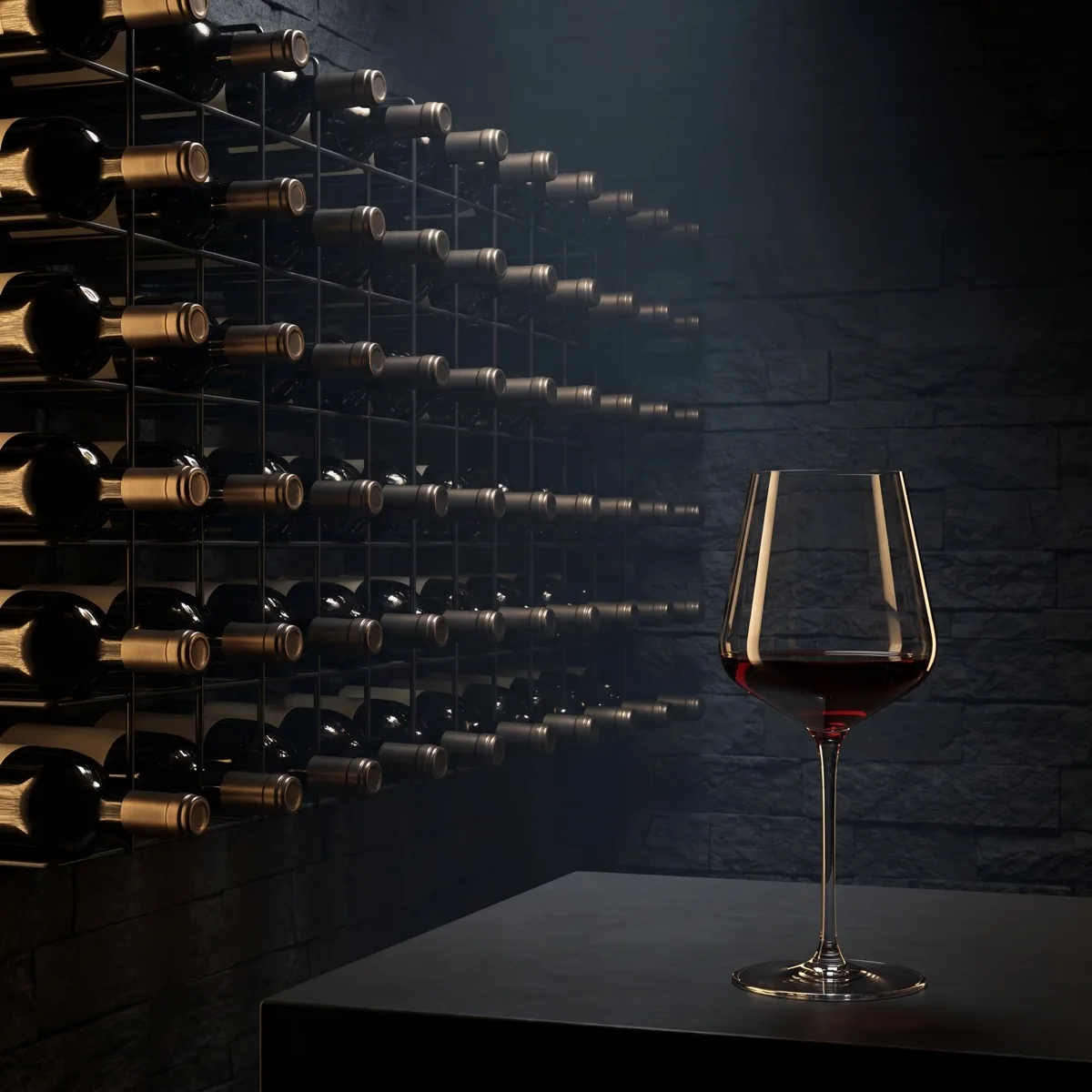
What temperature should you store wine at?
The best wine storage temperature is a steady 12-14°C (54-57°F) with 60-70% humidity. Here is why, and what to do when your home runs warmer.