Is Riesling sweet? How to tell from the label
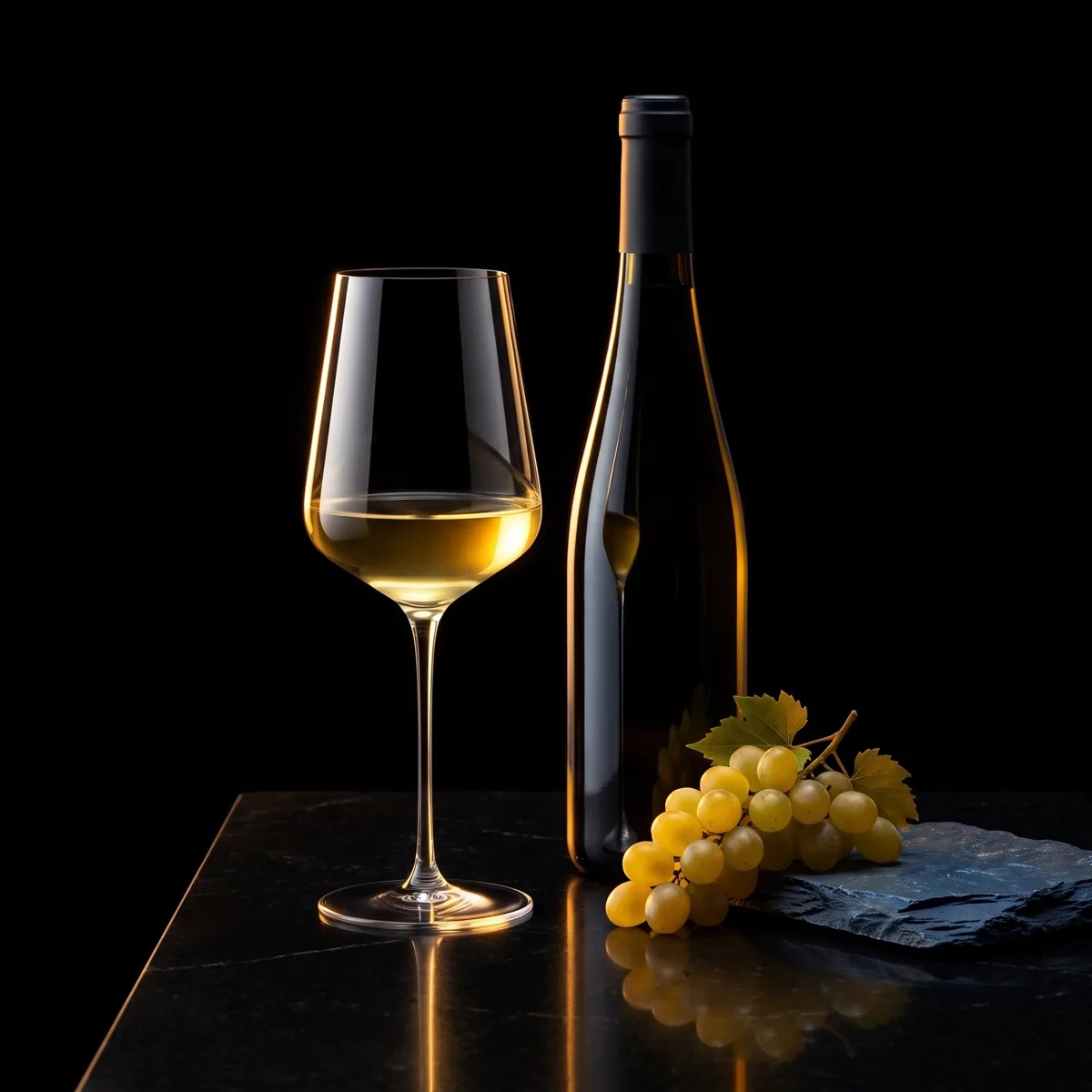
Riesling has an image problem. Many people still picture cheap, sugary German wine from the 1980s. In reality, most Riesling made in the world's top regions today is dry, and the sweet ones are some of the best and longest-lived wines there are. The label usually tells you which is which, once you know what to look for.
I'm firmly on the sweet side myself. When I drink Riesling it's usually a Spätlese or an Auslese, ideally with four or five years of age on it. My favourite producers are Markus Molitor, Joh. Jos. Prüm and Egon Müller from the Mosel and Saar, and Georg Breuer from the Rheingau.
Is Riesling sweet or dry?
Both. Riesling is made in every style from bone dry to lusciously sweet. What makes it unusual is its high acidity, which balances sugar so well that a Riesling with some sweetness can taste much drier than you'd expect. That's why it's often confusing.
How can you tell from the label?
Look for the words. On German labels, "trocken" means dry and "halbtrocken" or "feinherb" means off-dry. Elsewhere, "dry" on the label is reliable.
Check the alcohol. This is the quickest trick. Sugar turns into alcohol during fermentation, so less alcohol often means more sugar was left behind.
| Alcohol | Likely style |
|---|---|
| 7-9% | Clearly sweet |
| 9.5-11% | Off-dry to medium sweet |
| 11.5-12% | Dry or nearly dry |
| 12.5% and above | Dry |
Look for a sweetness scale. Some producers print a scale on the back label that runs from dry to sweet, developed by the International Riesling Foundation. If it's there, it's the easiest guide of all.
Know the region. Riesling from Alsace, Austria, Australia (Clare and Eden Valley) and most of the US Finger Lakes leans dry. Germany makes every style, so read the label.
What do the German ripeness terms mean?
German Prädikatswein is classified by how ripe the grapes were at harvest, not by how sweet the finished wine is. In practice, though, higher levels are usually sweeter, unless the label also says trocken.
| Term | What it means | Usual style |
|---|---|---|
| Kabinett | Lightest, earliest-picked level | Light, often off-dry |
| Spätlese | "Late harvest", riper grapes | Medium sweet, or dry if trocken |
| Auslese | Selected very ripe bunches | Sweet, sometimes dry |
| Beerenauslese (BA) | Individually picked overripe berries | Very sweet dessert wine |
| Trockenbeerenauslese (TBA) | Shrivelled berries affected by noble rot | Intensely sweet, rare |
| Eiswein | Grapes picked frozen on the vine | Very sweet, high acidity |
One more term to know: Grosses Gewächs (GG), used by the VDP growers' association, means a dry wine from one of its top-rated vineyards. These are some of Germany's best dry wines.
What does Riesling taste like?
Young Riesling smells of lime, green apple, white peach and blossom, often with a mineral note. Riper styles move into apricot and tropical fruit. Riesling is almost never oaked, so what you taste is the grape and the place.
With age, it develops honey, toast and a petrol or kerosene note that fans love. That comes from a compound called TDN and is a normal sign of maturity.
Where is Riesling grown?
- Mosel, Germany. Steep slate slopes, light, delicate wines, often off-dry, with low alcohol.
- Rheingau and Pfalz, Germany. Fuller and more often dry.
- Alsace, France. Dry, fuller-bodied, often more powerful.
- Wachau, Austria. Dry, intense, mineral. The richest level is called Smaragd.
- Clare and Eden Valley, Australia. Bone dry, lime-scented, very age-worthy.
- Finger Lakes, USA, and New Zealand. Bright, dry to off-dry styles.
How long does Riesling age?
| Style | Drink within |
|---|---|
| Everyday Riesling | 1-5 years |
| Kabinett | 3-15 years |
| Dry GG, Alsace grand cru, Wachau Smaragd | 5-20 years |
| Spätlese and Auslese | 10-30 years |
| BA, TBA and Eiswein | 20-50 years or more |
What food goes with Riesling?
Riesling is one of the best food wines there is.
- Dry Riesling: oysters, white fish, roast chicken, pork, salads, Alsace tarte flambée.
- Off-dry Riesling: Thai, Vietnamese and Indian food, sushi, smoked fish, ham. A Spätlese with sushi is one of my favourite pairings of all. A touch of sweetness tames chilli heat.
- Sweet Riesling: fruit tarts, blue cheese, foie gras.
Three bottles to try
- Everyday: a dry Clare Valley Riesling from Australia, or a Mosel Kabinett if you'd like to try a touch of sweetness.
- Special: a Spätlese from a top Mosel estate. Taste it next to a dry wine and see how the acidity carries the sugar.
- Splurge: a Grosses Gewächs from the Rheingau or Pfalz, or an Alsace grand cru. Both age beautifully.
If you have Riesling in the cellar and something spicy on the stove, Smart Wine Cellar's Food Matcher tells you which of your bottles fits tonight's dish best.
Questions people also ask
Is Kabinett Riesling sweet?
Usually lightly sweet. Kabinett is the lightest German ripeness level, and unless the label also says trocken, most Kabinett has some residual sugar balanced by high acidity.
Why does Riesling sometimes smell of petrol?
Aged Riesling often develops a petrol or kerosene note from a compound called TDN. It is more common in wines from sunny, warm sites and is considered a normal part of ageing, not a fault.
Does Riesling age well?
Very well. Its high acidity keeps it fresh for decades. Good dry Riesling can age 10 to 20 years, and sweet Spätlese and Auslese often last even longer.

Food Matcher
Tell us what's for dinner and we'll find the bottle to match
Say what you're eating and the Food Matcher picks the wines from your own cellar that pair best with tonight's dish.