Chardonnay: oaked vs unoaked, and how long it keeps
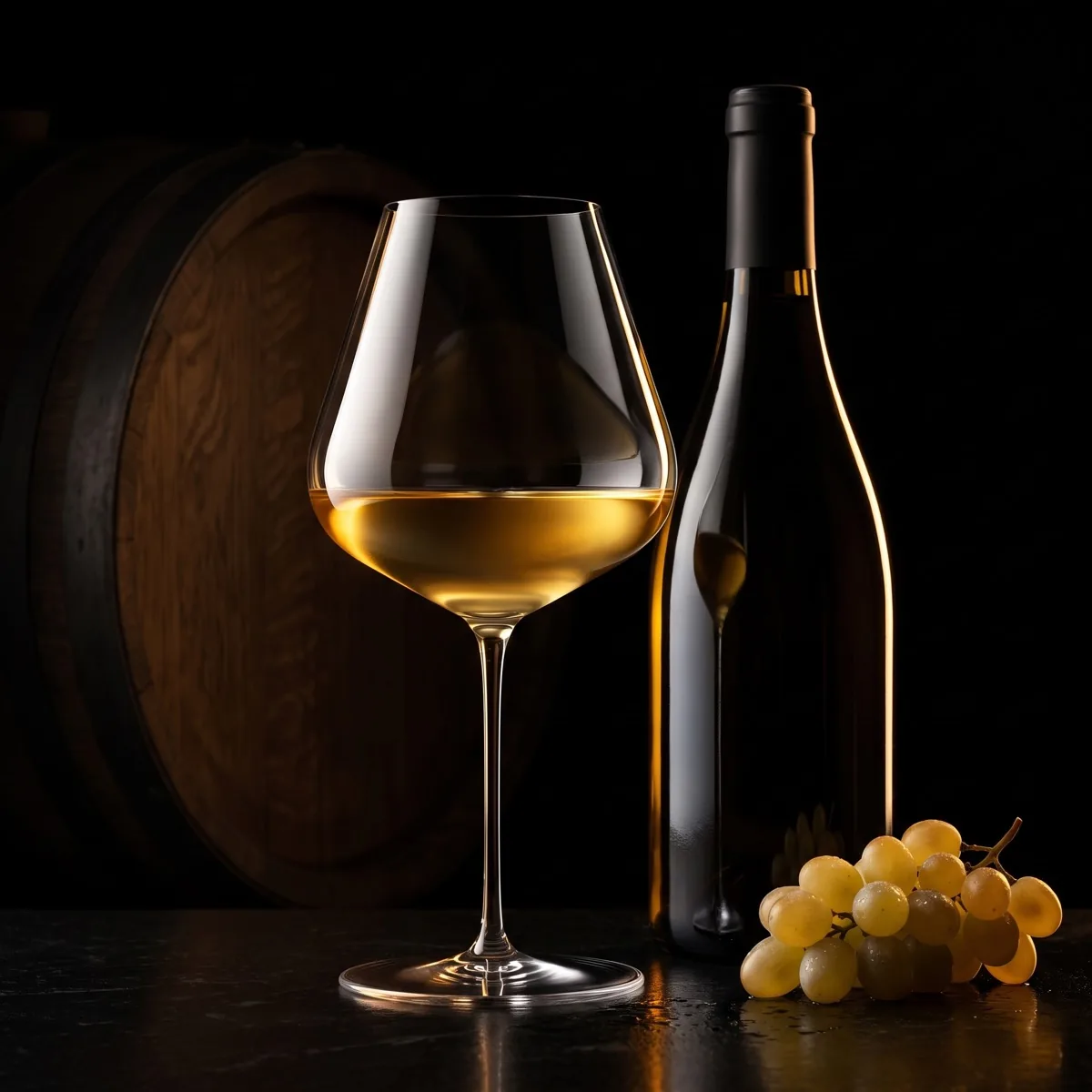
Chardonnay is one grape with two very different personalities. Unoaked Chardonnay tastes of green apple, lemon and wet stone. Oaked Chardonnay tastes of ripe apple and peach with vanilla, toast and a creamy, sometimes buttery texture. If you've ever said "I don't like Chardonnay", there's a good chance you've only met one of them.
I love white Burgundy, and it's most of the white wine I drink. Outside Burgundy, two Chardonnays I really like are Kongsgaard and Shafer, both from California's Napa Valley.
What does Chardonnay taste like?
On its own, Chardonnay is a fairly neutral grape. It doesn't have the loud aromas of Sauvignon Blanc or the perfume of Gewürztraminer. That's what makes it so popular with winemakers: it shows where it was grown and how it was made more clearly than most grapes.
Climate decides the fruit:
- Cool places (Chablis, Champagne, coastal Sonoma, Tasmania) give green apple, lemon, pear and high acidity.
- Moderate places (most of Burgundy, Oregon, Margaret River) give yellow apple, white peach and citrus.
- Warm places (much of California, inland Australia) give pineapple, mango and lower acidity.
Then the winemaker decides the rest.
What does oak do to Chardonnay?
Fermenting or ageing Chardonnay in oak barrels changes it in three ways. New oak adds flavours of vanilla, toast, coconut and spice. Barrels let in a tiny amount of oxygen, which softens the wine and makes it rounder. And stirring the dead yeast cells (the lees) in the barrel adds a creamy, bready richness.
The butter is a separate step. Most oaked Chardonnay also goes through malolactic fermentation, which swaps sharp malic acid (think green apple) for softer lactic acid (think milk) and produces diacetyl, the same compound that gives butter its flavour. Winemakers can block it to keep the wine crisper.
Unoaked Chardonnay is fermented in stainless steel or concrete. It keeps its fresh fruit and acidity, and often skips malolactic fermentation as well.
How can you tell from the label?
Bottles rarely say "oaked" on the front, so use the region and the price:
| Style | Typical regions and labels |
|---|---|
| Unoaked or lightly oaked | Chablis, Mâcon-Villages, most Chardonnay from Italy's Alto Adige, bottles labelled "unoaked" or "unwooded" |
| Moderately oaked | Meursault, Puligny-Montrachet, Chassagne-Montrachet, Oregon, Margaret River |
| Noticeably oaked | Many Californian and some Australian and Chilean bottles, especially at mid prices |
Back labels help too. Words like "barrel fermented", "aged in French oak" or "sur lie" point to the richer style.
How long does Chardonnay keep?
| Style | Drink within |
|---|---|
| Everyday unoaked (Mâcon, basic Chardonnay) | 1-3 years |
| Village Chablis | 2-5 years |
| Chablis premier cru | 4-10 years |
| Chablis grand cru | 6-15 years |
| Village Burgundy (Meursault and friends) | 3-8 years |
| Burgundy premier and grand cru | 5-15 years or more |
| Good oaked New World Chardonnay | 3-8 years |
As it ages, Chardonnay picks up notes of hazelnut, honey and mushroom, and the colour deepens from pale lemon to gold.
One caution: from the mid 1990s, a share of white Burgundy started oxidising early, turning brown and sherry-like years before it should have. It's known as premature oxidation, or "premox". Producers have changed their methods since, but if you hold older white Burgundy, open one bottle from each case now and then rather than waiting for the perfect moment.
What should you eat with Chardonnay?
Match the weight of the wine to the weight of the food.
Unoaked Chardonnay suits oysters, grilled white fish, sushi, salads with goat cheese and anything with lemon. Chablis and oysters is a classic for a reason.
Oaked Chardonnay can handle much more: roast chicken, lobster with butter, pasta in cream sauce, risotto, pork, and soft cheeses like Brie. The creamy texture of the wine matches creamy food.
The one thing to be careful with is spice. Heavy oak and high alcohol make chilli heat feel hotter.
Three bottles to try
- Everyday: a Mâcon-Villages or Saint-Véran from southern Burgundy. Unoaked or lightly oaked, fresh, and good value.
- Special: a Chablis premier cru. Taste it next to a Mâcon and you'll see what the cooler climate does.
- Splurge: a Meursault from a good grower. Hazelnut, toast and ripe fruit, and it will reward a few years in the cellar.
If you're cooking and can't decide which of your bottles to open, Smart Wine Cellar's Food Matcher looks at what you're eating and suggests the best match from the wines you already own.
Questions people also ask
Is Chablis oaked?
Most Chablis sees little or no new oak, which is why it tastes leaner and more mineral than other Chardonnay. Some premier and grand cru producers use older barrels, which add texture more than flavour.
Why does some Chardonnay taste buttery?
The buttery taste mostly comes from malolactic fermentation, a step where bacteria turn sharp malic acid into softer lactic acid and produce a compound called diacetyl. Oak ageing adds vanilla and toast on top.
Should Chardonnay be served cold?
Cool, not ice cold. Serve unoaked Chardonnay at about 8 to 10°C and oaked Chardonnay a little warmer, around 10 to 13°C, so the texture and flavours come through.
Food Matcher
Tell us what's for dinner and we'll find the bottle to match
Say what you're eating and the Food Matcher picks the wines from your own cellar that pair best with tonight's dish.