Pinot Noir: why it's hard to grow and where to find value
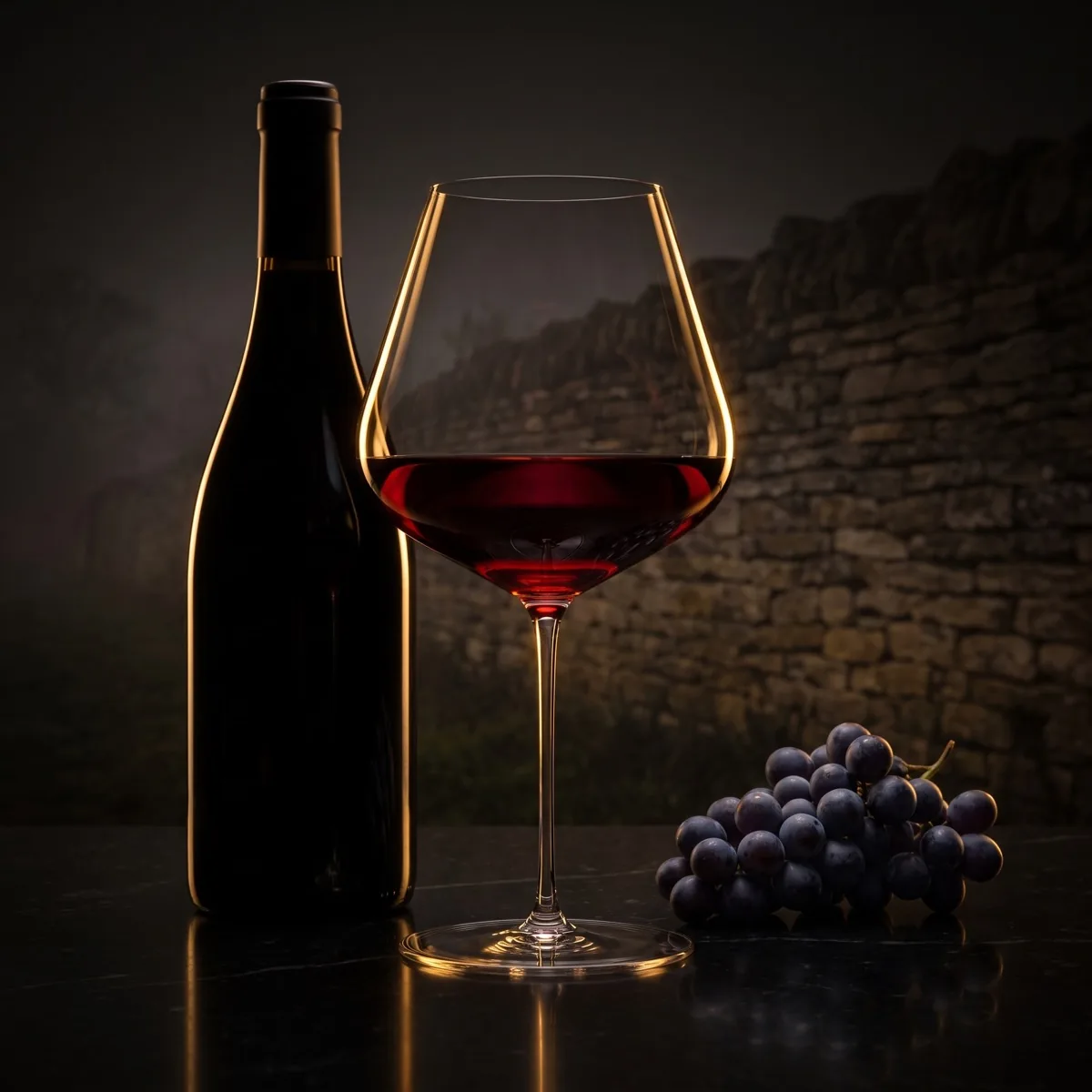
Pinot Noir has a reputation as the hardest red grape to grow and the hardest to get right in the winery. It's also the grape behind some of the most expensive wines in the world. Both come down to the same thing: Pinot Noir is fussy, so good bottles are scarce.
I love Pinot Noir. It's been with me since I started drinking wine, and these days I'm well and truly stuck in Burgundy. Lucien Le Moine is one of my favourite producers, together with Domaine Comte Georges de Vogüé, Domaine Jean Grivot and Domaine Méo-Camuzet.
What does Pinot Noir taste like?
Pinot Noir makes pale to medium-coloured red wine with soft tannins and fresh acidity. Young, it tastes of red cherry, raspberry and strawberry, often with a floral note and something earthy underneath. As it ages, the fruit softens and you get mushroom, forest floor and a savoury, gamey side that fans call "sous-bois".
In warmer places it gets riper and darker, with black cherry and plum. In cooler places it stays lighter, more fragrant and more savoury.
Why is Pinot Noir so hard to grow?
Pinot Noir has thin skins and grows in tight bunches, which makes it vulnerable to rot in wet weather. It buds early, so spring frost can wipe out a crop, and it ripens early, so in hot climates it gets jammy before it has time to develop much flavour. That limits it to cool places where the weather is unpredictable, and vintages vary a lot.
It's also genetically unstable. Pinot Noir mutates easily, which is why there are hundreds of clones, and why Pinot Gris, Pinot Blanc and Pinot Meunier all exist. In the winery, its thin skins give little colour and tannin, so small mistakes are easy to taste.
All of that means lower yields, more work and more risk, which is why good Pinot Noir is rarely cheap.
Where does the best Pinot Noir come from?
Burgundy, France. The benchmark. Burgundy is divided into a patchwork of vineyards ranked as regional, village, premier cru and grand cru. A village like Gevrey-Chambertin gives darker, firmer wines, while Chambolle-Musigny and Volnay are lighter and more perfumed.
Champagne, France. Pinot Noir is one of the main grapes in Champagne, usually blended with Chardonnay and Pinot Meunier.
Oregon, USA. The Willamette Valley has built its reputation on Pinot Noir. The wines sit between Burgundy and California in style.
California, USA. Sonoma Coast, Russian River Valley and Santa Barbara County make riper, fuller Pinot.
New Zealand. Central Otago gives dark, intense Pinot. Martinborough and Marlborough make lighter, fresher styles.
Germany. Called Spätburgunder there, and much better than its reputation. Baden and the Ahr make some excellent, good-value examples.
Australia (Tasmania, Yarra Valley, Mornington Peninsula), Chile's cool coast and South Africa's Hemel-en-Aarde are also worth exploring.
Where can you find good value?
Burgundy prices have climbed steeply, but you don't have to spend a fortune:
- Bourgogne Rouge from a good grower. Basic regional Burgundy made by a top producer often beats a village wine from a weak one.
- Less famous villages. Marsannay, Fixin, Santenay and Givry are cheaper than the big names.
- German Spätburgunder. Serious quality for the price.
- Oregon and New Zealand. Reliable, and their mid-priced bottles are often excellent.
- Chile. Casablanca and Leyda make bright, cheap Pinot that's good for weeknights.
How long does Pinot Noir age?
| Style | Drink within |
|---|---|
| Everyday Pinot Noir (Chile, basic New World) | 1-4 years |
| Bourgogne Rouge, good New World | 3-7 years |
| Village Burgundy, top Oregon and Otago | 5-12 years |
| Burgundy premier cru | 8-20 years |
| Burgundy grand cru | 10-30 years |
Pinot Noir usually has a dull phase a few years after release, when the fresh fruit fades and the savoury notes haven't arrived yet. If a good bottle tastes closed, wait a few more years.
What food goes with Pinot Noir?
Pinot Noir is one of the most food-friendly reds because of its low tannin and good acidity. Classic pairings:
- Roast duck, or duck breast with cherry sauce
- Salmon and tuna, which can handle a light red
- Mushroom dishes, from risotto to a simple mushroom toast
- Roast chicken and turkey
- Coq au vin and beef bourguignon, made with the same wine
It's less happy with very spicy food or heavy, charred red meat, where a fuller red does better.
Three bottles to try
- Everyday: a Pinot Noir from Chile's Leyda or Casablanca valleys, or a German Spätburgunder.
- Special: a Willamette Valley Pinot Noir from Oregon, or a village Burgundy from a lesser-known village like Marsannay.
- Splurge: a premier cru Burgundy from Gevrey-Chambertin, Chambolle-Musigny or Volnay. Give it time.
If you own a few bottles of Pinot and can't decide which suits tonight's dinner, Smart Wine Cellar's Food Matcher suggests the best match from your own cellar.
Questions people also ask
Is Pinot Noir sweet or dry?
Pinot Noir is almost always dry. Its ripe red fruit can seem sweet on the nose, but there is very little sugar left in the wine.
Should Pinot Noir be chilled?
Lightly. Pinot Noir tastes best at about 13 to 16°C, so 15 to 20 minutes in the fridge helps if your room is warm.
What is the difference between Pinot Noir and Pinot Grigio?
Pinot Grigio (Pinot Gris) is a grey-skinned mutation of Pinot Noir that makes white wine. They share a family name but taste completely different.

Food Matcher
Tell us what's for dinner and we'll find the bottle to match
Say what you're eating and the Food Matcher picks the wines from your own cellar that pair best with tonight's dish.