Wine with steak, cut by cut
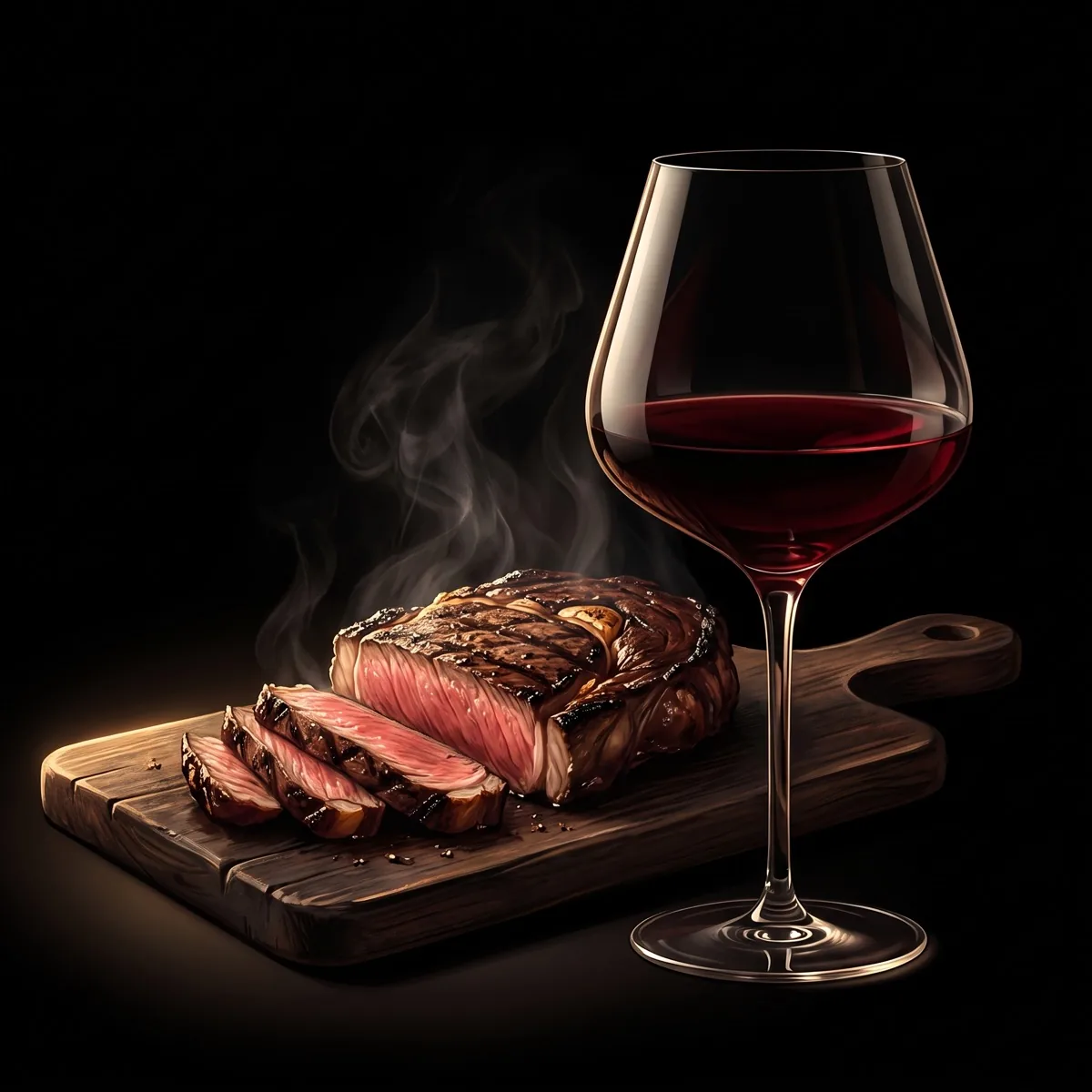
Red wine and steak is one of the most reliable pairings there is, but not every red suits every cut. The amount of fat, the way it's cooked and the sauce all change the best match.
My own go-to depends on the steak and what's with it, but it's usually a Cabernet Sauvignon or a Malbec. I've always had a slightly harder time with Syrah, though it's growing on me, and with the right dish it's now the third bottle I'll reach for.
Why does red wine work with steak?
Tannins, the compounds in red wine that make your mouth feel dry, bind to fat and protein. With a fatty, juicy steak, that makes the wine taste softer and the meat taste less heavy. A big, tannic red that tastes harsh on its own often becomes smooth with a ribeye. That's also why a lean cut can make the same wine taste harsher.
So the rule is simple: the more fat, the more tannin the wine can have.
What wine goes with each cut?
| Cut | Character | Wine |
|---|---|---|
| Ribeye, entrecôte | Well marbled, rich | Cabernet Sauvignon, Syrah, Malbec, Napa blends |
| T-bone, porterhouse | Two cuts, big flavour | Cabernet, Chianti Classico, Brunello di Montalcino |
| Sirloin, strip | Medium fat, firm | Rioja Reserva, Bordeaux blend, Merlot |
| Fillet, tenderloin | Lean, delicate | Pinot Noir, Merlot, aged Rioja |
| Rump | Lean, strong flavour | Syrah, Grenache blends, Zinfandel |
| Flank, skirt, hanger | Lean, beefy, often marinated | Malbec, Zinfandel, Carmenère |
| Wagyu | Very fatty | Aged Cabernet, Barolo, even Champagne |
| Dry-aged beef | Intense, nutty | Aged Bordeaux, Barolo, mature Rioja |
How does cooking change the match?
Grilled or barbecued. Char adds smoky, bitter flavours. Wines with ripe fruit and a bit of oak, like Malbec, Shiraz or Zinfandel, handle that well.
Pan-fried in butter. A richer, rounder flavour. Bordeaux blends and Merlot fit nicely.
Rare. A rare steak has juicier, softer texture, so it can handle more tannin.
Well done. Less juice and more dryness. Firm tannins can taste harsh, so a softer, fruitier red works better.
How does the sauce change the wine?
Often the sauce matters as much as the meat:
- Peppercorn sauce: Syrah from the northern Rhône, which often has its own peppery note.
- Béarnaise: a richer, buttery sauce that suits a ripe Cabernet or even a full Chardonnay.
- Red wine sauce or jus: use, and drink, a similar wine. A Bordeaux sauce wants a Bordeaux.
- Chimichurri: Argentine Malbec, the classic. The herbs and garlic need fruit.
- Blue cheese butter: a powerful red with enough fruit to stand up to the cheese, like a Zinfandel or Shiraz.
- Mushroom sauce: Pinot Noir or an aged red with earthy notes.
What about steak frites, bistecca and other classics?
Some dishes come with a traditional wine. Bistecca alla fiorentina, the big Tuscan T-bone, is made for Chianti Classico or Brunello. Argentine asado means Malbec. Steak frites in a Paris bistro usually comes with a glass of Bordeaux or a Beaujolais cru. When in doubt, drink what the locals drink.
How should you serve the wine?
A few small things make a big difference with steak:
- Serve reds slightly cool, around 16 to 18°C. A big red served warm tastes heavy and alcoholic next to rich meat.
- Decant young, tannic wines like Cabernet or Barolo for an hour or so. See our guide to decanting.
- Season with care. Salt makes tannic wines taste smoother, while a lot of lemon or vinegar in a side salad can make the wine taste flat.
- Open the bottle before you cook, so you can taste it and adjust the sauce to suit the wine rather than the other way round.
Do you have to drink red?
Not always. A lean fillet or a steak with a creamy sauce can work with a full, oaked Chardonnay or a white Rhône blend. A big Champagne, especially a vintage one or a Pinot-heavy blend, cuts through fatty wagyu surprisingly well. And a deep rosé works with a summer steak salad.
Three bottles for steak night
- Everyday: an Argentine Malbec from Mendoza. Ripe, smooth and great with grilled meat.
- Special: a Rioja Reserva or a Haut-Médoc. Firm enough for a sirloin, soft enough for a fillet.
- Splurge: a mature Napa Cabernet or a Brunello di Montalcino for a ribeye or a T-bone.
If your cellar has a few candidates and you can't decide, Smart Wine Cellar's Food Matcher looks at what you're cooking and suggests the best match from the bottles you already own.
Questions people also ask
Why does red wine go so well with steak?
Tannin in red wine binds to the fat and protein in meat. The steak makes the wine taste smoother, and the wine cleans your palate between bites.
Can you drink white wine with steak?
Yes, especially with leaner cuts or lighter sauces. A full, oaked Chardonnay or a white Rhône has enough weight to stand up to beef.
What wine goes with a well-done steak?
A well-done steak is drier and has less juicy fat, so avoid very tannic wines. A fruity, softer red like Merlot, Zinfandel or a New World Shiraz works better.

Food Matcher
Tell us what's for dinner and we'll find the bottle to match
Say what you're eating and the Food Matcher picks the wines from your own cellar that pair best with tonight's dish.