Should you decant wine? Which ones, and for how long
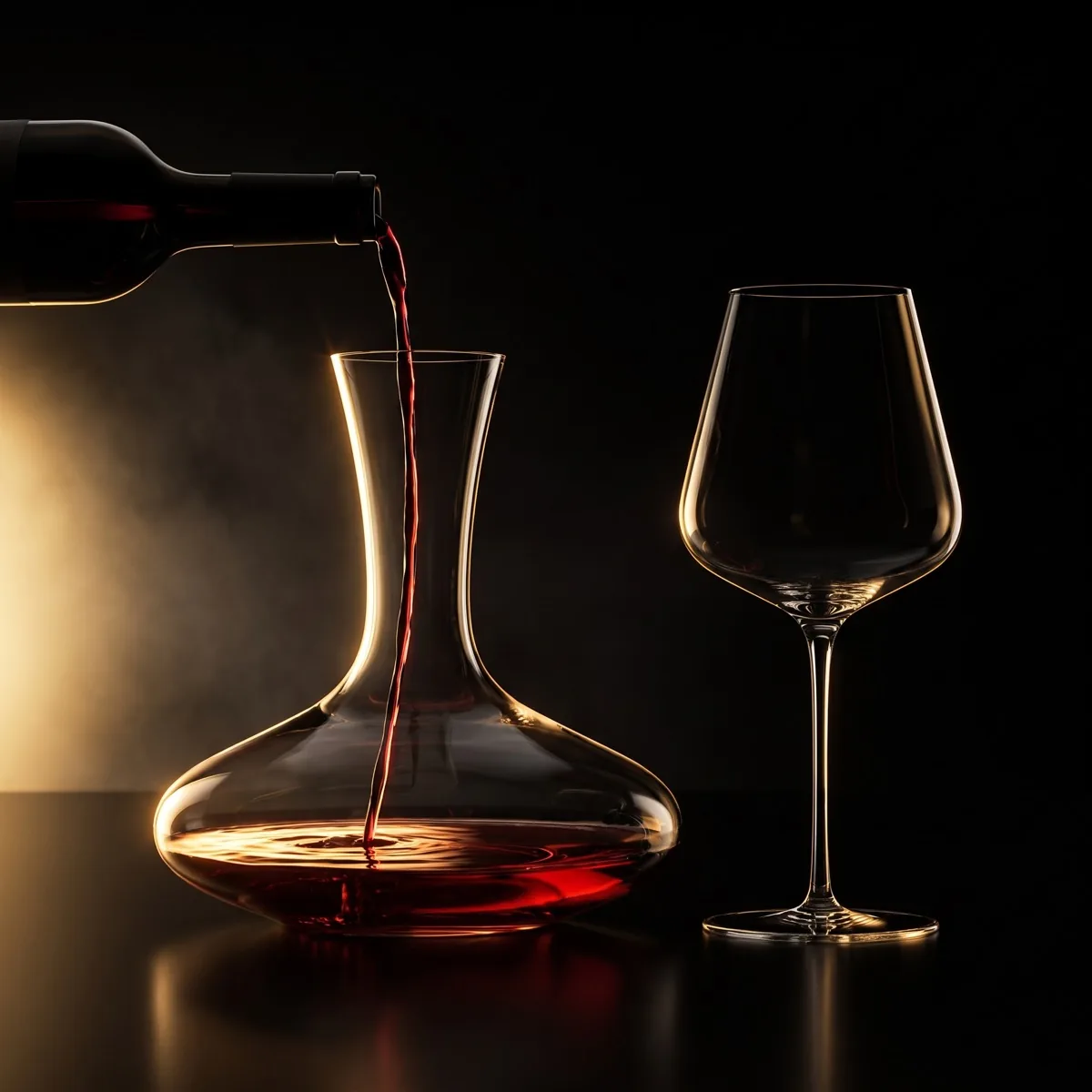
Decanting means pouring wine from its bottle into another container before serving. It does two separate jobs, and which one you need decides how long to decant and whether to bother at all.
- Aeration. Exposing a young wine to air softens its tannins and opens up its aromas.
- Removing sediment. Old reds and some ports throw a deposit, and decanting leaves it behind in the bottle.
Which wines benefit from decanting?
| Wine | Why decant | How long |
|---|---|---|
| Young Barolo, Barbaresco | Firm tannin, closed aromas | 2-3 hours |
| Young Cabernet Sauvignon, Bordeaux | Tannin | 1-2 hours |
| Young Syrah, Hermitage, Cornas | Tannin, reduction | 1-2 hours |
| Young Brunello, Rioja Reserva | Tannin | 1 hour |
| Malbec, Zinfandel, Grenache blends | Optional, softens them | 30-60 minutes |
| Young white Burgundy, white Rhône | Opens closed aromas | 20-30 minutes |
| Any wine smelling of struck match or rotten egg | Reduction, which blows off with air | 15-30 minutes |
| Old red (15+ years) | Sediment | Just before serving |
| Vintage port | Sediment | Just before serving to an hour |
Strictly speaking, most other wines don't need it: everyday reds, Pinot Noir and Beaujolais, crisp whites, rosé and anything sparkling. Swirling in the glass gives them all the air they need.
My own habit goes further. I decant every red wine I open, usually one to three hours before drinking, because I find they always get noticeably better, something like 30% better. I sometimes decant white Burgundy too, and keep the decanter in an ice bucket so the wine stays cool. And old port always goes through a decanter, so nobody gets a mouthful of sediment.
How does decanting change the taste?
Oxygen reacts with compounds in the wine. In a young, tannic red, a little air makes the tannins feel softer and lets more fruit come through. It also lets off-smells from reduction, like struck match or a faint rotten-egg smell, blow away.
The effect is real but often overstated. Some of what people notice after two hours is the wine warming up in the room, which also releases aromas. The best way to know is to taste a glass when you first open the bottle and another an hour later.
How do you decant an old wine with sediment?
- Stand the bottle upright for a day or two before you open it, so the sediment slides to the bottom.
- Open it carefully. Old corks can crumble. A two-pronged opener (an "ah-so") or a combined screw-and-prong opener helps.
- Pour slowly and steadily into the decanter, with a light source under the bottle's neck. A torch or a candle is traditional, and a phone torch works fine.
- Stop when you see sediment reach the neck. Leave the last inch or two in the bottle.
- Serve fairly soon. Old wines are fragile. Their aromas can fade within the hour after so many years without air.
If you don't have a decanter, pour the wine slowly into a clean jug, rinse the bottle with a little water, and pour the wine back in. That's double decanting, and it lets you serve from the original bottle.
What about a young wine you want to open early?
If you open a bottle that's still too young, decanting is the best way to make it more approachable. Pour it quickly, even splashily, into a wide decanter for maximum air contact. Give big reds two hours or more, and keep tasting. The wine won't turn into a mature one, but the edges soften.
For an even faster result, some people pour a young wine through a blender for a few seconds. It sounds brutal, but it adds a lot of air at once. It's fine for an everyday bottle, less so for anything you've been saving.
What about aerators?
Pour-through aerators add air as the wine passes into the glass. They make a small difference with young reds and none with sediment. A decanter does both jobs better.
Do you need an expensive decanter?
No. Any clean glass jug or carafe works. Wide-bottomed decanters give more surface area for aeration, which helps with young wines. For old wines, a narrower shape is better, because you don't want too much air. Clean decanters with warm water and a cleaning brush or cleaning beads. Avoid soap, which leaves a film that affects the next wine.
When should you open a bottle at all?
Decanting rescues a bottle opened a few years early. It's even better to open it at the right time. Smart Wine Cellar's wine list shows the drinking window for every bottle you own, so you can see which wines are ready and which still need a few years, or a long decant.
Questions people also ask
Can you decant wine for too long?
Yes. A young, powerful red can sit in a decanter for several hours, but an old or delicate wine can lose its aromas within an hour. When in doubt, decant shortly before serving and taste as you go.
Do you need a decanter to decant wine?
No. Any clean jug or carafe works. You can even pour the wine into a jug and straight back into the rinsed bottle, which is called double decanting.
Should you decant white wine?
Rarely, but it can help young, full whites like white Burgundy or white Rhône that taste closed, and wines with a struck-match smell from reduction. Twenty to thirty minutes is enough.

Wine List
Every bottle in one list you can sort, filter and manage
Your entire cellar in a single list, with every bottle's drinking window right there so you can see what's ready, what's maturing and what's past its best.