How to host a blind wine tasting at home
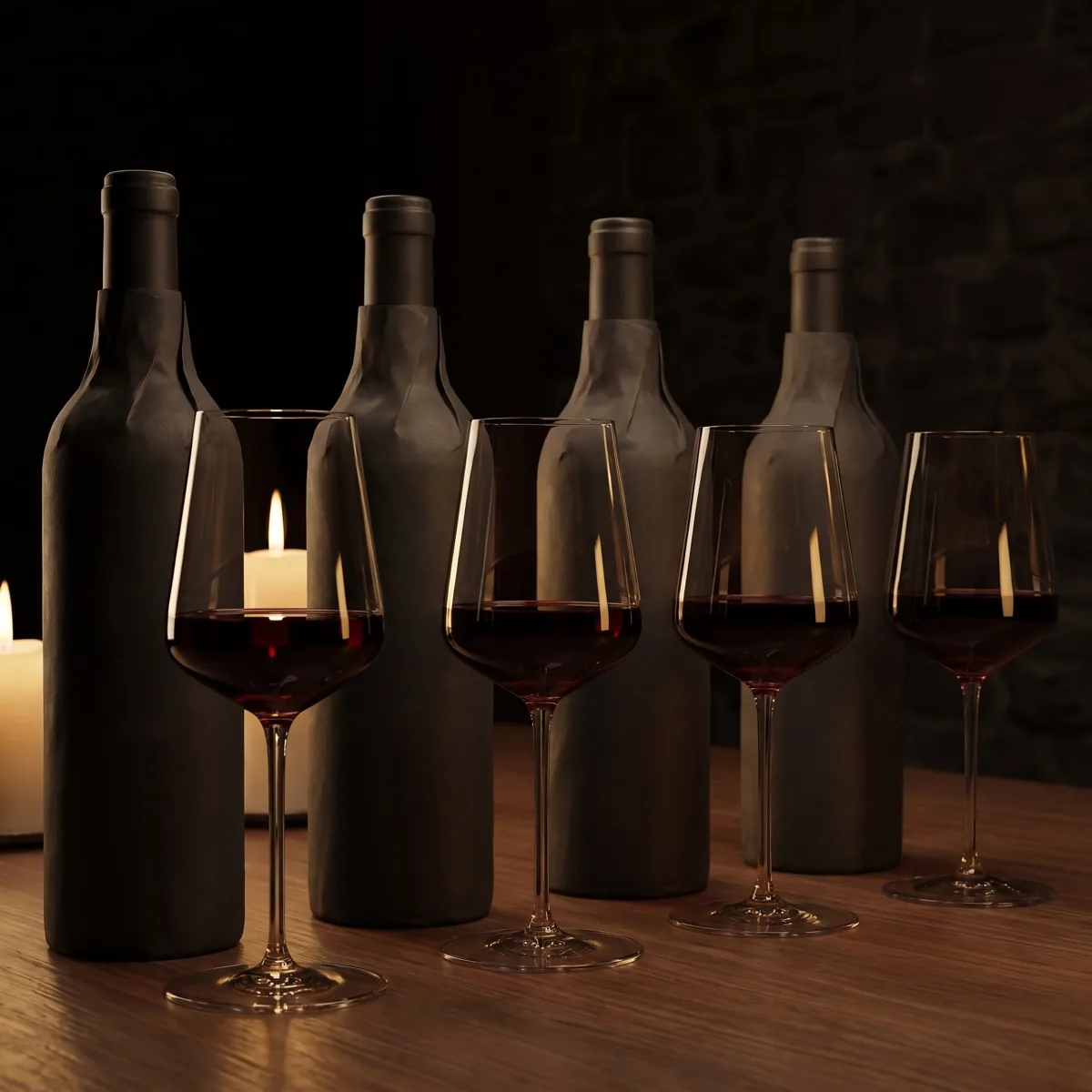
A blind tasting is the most fun you can have with a few bottles and a group of friends. Covering the labels takes away price, reputation and expectation, so everyone just tastes.
I host them at home, and the best moment of the evening is when the most expensive bottle doesn't win. Sometimes the cheapest one does. Some wines are impossible to place, too, even ones I've tasted before. Some people have a great memory for that. I don't, and it doesn't matter: it's just as much fun.
What do you need?
- Four to eight wines. One 750 ml bottle gives 12 to 15 tasting pours.
- Covers for the bottles. Paper bags, clean socks, aluminium foil, or wine bags. Remove the capsule too, since it can give the producer away.
- Numbers or letters on each covered bottle.
- Glasses. Ideally one glass per wine per person so people can compare. If that's not possible, one glass each and a jug of water to rinse.
- A spittoon or a few cups for anyone who wants to spit or tip out.
- Water and plain crackers or bread to reset between wines.
- Score sheets and pens, or an app.
How do you set up the tasting?
- Pick a theme. A theme makes comparison meaningful. Some ideas: one grape from around the world, one region at different prices, or cheap versus expensive. There's a whole post on tasting party themes.
- Cover and number the bottles before guests arrive, out of sight. If you're also tasting, ask a friend to shuffle the bottles after you cover them so you don't know the order either.
- Chill and open them in advance. Whites and sparkling in the fridge, reds at cool cellar temperature. Open reds 30 minutes before you start.
- Order them light to full. Sparkling, then whites, then rosé, then light reds, then full reds, then sweet. Within each group, lighter wines first.
- Pour about 50 ml per person. That's enough to look, smell and taste twice.
How do you choose the order when nobody knows the wines?
This is the part most guides skip. If everyone tastes blind, including the host, nobody knows which bottle is light and which is big, so nobody can put them in a sensible order. Once it's covered, you don't even know which one is your own bottle. Serve a powerful Syrah before a delicate Pinot Noir and the Pinot tastes of nothing.
It's the exact problem that made me build the tasting feature in Smart Wine Cellar. The host adds the wines before covering them, and the app suggests a drinking order, so everyone, host included, can taste completely blind and still go from light to full. Without an app, the fix is to let one person who isn't tasting set the order.
How do you run it on the night?
Give each wine a few minutes. Ask everyone to look at the colour, smell it, taste it and write a few words before anyone talks. Talking too early means the loudest person sets everyone's opinion.
Once everyone has scored a wine, open the floor: what did people like, what did they guess? Then move on to the next one.
Keep the reveal until the very end. It's the best moment of the evening. Reveal in order, one bottle at a time, and let people check their guesses and scores.
How should guests score the wines?
Keep it simple. A five-point scale works for most groups:
- 1: Didn't enjoy it
- 2: Okay
- 3: Good
- 4: Very good, would buy
- 5: Outstanding
For a more competitive group, ask everyone to rank the wines from favourite to least favourite and add up the ranks. You can also add a "guess the grape" or "guess the price" round. See how to rate wine yourself for more on scoring.
Single-blind or double-blind?
In a single-blind tasting, guests know what wines are in the line-up but not which is which. That's the easier and more educational format, especially for beginners.
In a double-blind tasting, guests know nothing. It's harder and a lot of fun for experienced tasters, but beginners can find it frustrating.
What about food?
Serve plain bread or crackers during the tasting itself, since food changes how wine tastes. After the reveal, bring out a proper spread with cheese and charcuterie and let everyone finish their favourites.
How do you make the evening run smoothly?
- Keep the group to 6 to 12 people, so conversation still works.
- Make sure there's plenty of water on the table.
- Avoid strong perfume or scented candles, which make it harder to smell the wine.
- Arrange transport home, or spit. Eight small pours still add up.
- Write down the reveal so people remember which wine they loved.
The easy way to run it
In Smart Wine Cellar you add the wines, let the app suggest the drinking order, and invite friends by link (guests don't need an account). Everyone scores and writes notes on their phone. The wines stay hidden until you choose to reveal them, and the votes and notes are kept together so you can look back on the evening later.
Questions people also ask
How many wines should you serve at a blind tasting?
Four to eight is the sweet spot. Fewer feels thin, and after about eight wines most people's palates get tired and the scores stop meaning much.
How much wine do you need for a blind tasting?
With 50 ml tasting pours, one 750 ml bottle serves 12 to 15 people. For a group of eight, one bottle of each wine leaves plenty for a second taste with food afterwards.
What is the difference between single-blind and double-blind?
In a single-blind tasting, guests know which wines are in the line-up but not which glass is which. In a double-blind tasting, they know nothing about the wines at all.
Wine Tastings
Host blind tastings, invite friends and vote on the night's best wine
Set up a blind tasting, invite friends without making them sign up, vote on favourites and keep everyone's notes in one place.