Sauvignon Blanc: Sancerre vs New Zealand
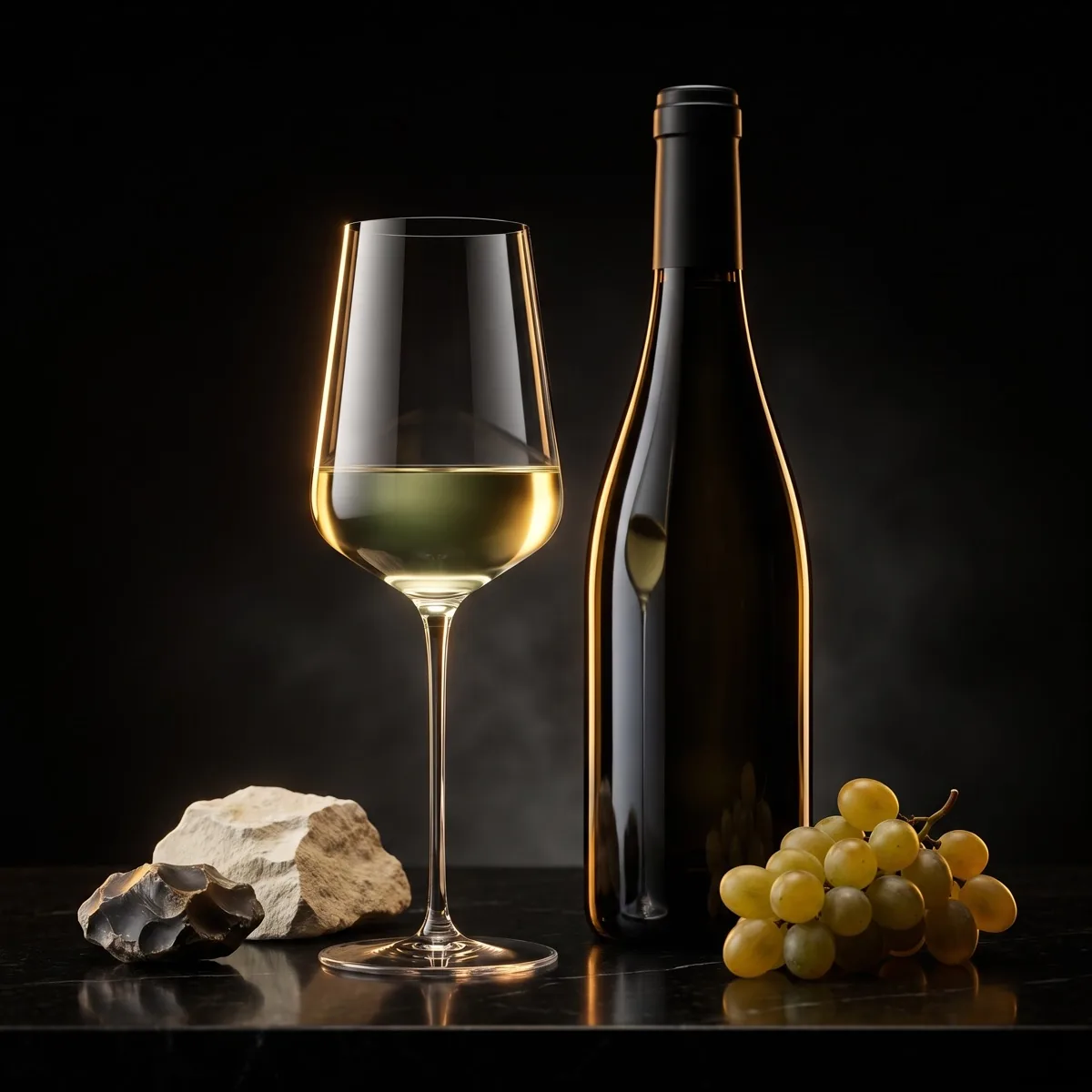
Sauvignon Blanc is one of the easiest grapes to recognise blind, and it has two very different classic styles. One comes from the Loire Valley in France, the other from New Zealand. Tasting them side by side is one of the best lessons in how much place and climate shape a wine.
I'm in the Sancerre camp, all the way. It's lovely in summer.
What does Sauvignon Blanc taste like?
Sauvignon Blanc is aromatic, high in acidity and usually unoaked. Its flavours run from green (cut grass, green pepper, gooseberry, elderflower) through citrus (lemon, lime, grapefruit) to tropical (passion fruit, guava). Two families of aroma compounds drive this: methoxypyrazines for the green notes and thiols for the tropical ones. Climate, ripeness and winemaking decide which come through.
What does Sancerre taste like?
Sancerre sits in the eastern Loire Valley, in central France. Its vineyards are on chalky limestone, flint (silex) and clay, and the climate is cool.
The wines are restrained and mineral. Expect lemon, green apple, white flowers and a flinty, chalky or smoky note, with high acidity and a lean, dry finish. They're less aromatic than New Zealand's, and many people find them more food-friendly.
Nearby appellations make similar wines: Pouilly-Fumé, just across the river, plus Menetou-Salon, Quincy, Reuilly and Touraine Sauvignon, which are often better value.
What does New Zealand Sauvignon Blanc taste like?
Marlborough, at the top of New Zealand's South Island, combines sunny days with cold nights, which keeps acidity high while the grapes ripen. Sauvignon Blanc was first planted there in the 1970s, and it became famous in the 1980s.
The style is bold and pungent: passion fruit, grapefruit, gooseberry, lime and a strong herbaceous note of cut grass or green pepper. The wines are fruitier and more aromatic than Sancerre, with similar high acidity. Sauvignon Blanc is by far New Zealand's most planted grape.
How do they compare?
| Sancerre | Marlborough | |
|---|---|---|
| Climate | Cool continental | Cool maritime, very sunny |
| Aromas | Lemon, green apple, flint, chalk | Passion fruit, grapefruit, gooseberry, cut grass |
| Intensity | Restrained | Very aromatic |
| Acidity | High | High |
| Oak | Usually none | Usually none |
| Price | Moderate to high | Usually lower |
Where else is Sauvignon Blanc grown?
- Bordeaux, where it's blended with Sémillon for dry whites and for sweet Sauternes.
- South Africa, often between the Loire and NZ styles.
- Chile, especially the cool coastal Casablanca and Leyda valleys, at great prices.
- California, sometimes oaked and sold as Fumé Blanc.
- Styria in Austria, with excellent, mineral versions that are worth seeking out.
How long does Sauvignon Blanc keep?
Most Sauvignon Blanc is made to drink young, within one to three years, while its fresh aromas are at their best. Good Sancerre and Pouilly-Fumé, especially single-vineyard wines, can age five to ten years and develop honeyed, smoky notes. Oaked versions and Bordeaux blends with Sémillon also age well.
What food goes with Sauvignon Blanc?
Its high acidity makes it great with food:
- Goat cheese, the classic match for Sancerre. Crottin de Chavignol is made in a village right next to Sancerre.
- Seafood, especially oysters, mussels and grilled white fish.
- Salads and green vegetables, including asparagus and artichokes, which are notoriously hard on other wines.
- Herb-heavy dishes, like pesto, salsa verde and Thai salads.
- Sushi and ceviche.
Pick Sancerre for subtler dishes and Marlborough when the food has bold, herby or tangy flavours.
Three bottles to try
- Everyday: a Touraine Sauvignon from the Loire, and a Marlborough Sauvignon Blanc. Taste them together.
- Special: a Sancerre or Pouilly-Fumé from a good grower.
- Splurge: a single-vineyard Sancerre on flint (silex) soils, given a few years in the cellar.
If you have both styles at home and can't decide which suits dinner, Smart Wine Cellar's Food Matcher compares them against your dish and suggests the better match.
Questions people also ask
Is Sancerre always Sauvignon Blanc?
White Sancerre is always Sauvignon Blanc. There is also a smaller amount of red and rosé Sancerre, made from Pinot Noir.
What is the difference between Sancerre and Pouilly-Fumé?
They face each other across the Loire river and both make Sauvignon Blanc. Pouilly-Fumé is often described as slightly smokier and fuller, but the difference between producers is bigger than the difference between the two appellations.
What is Fumé Blanc?
A name coined in California for Sauvignon Blanc, usually with some oak ageing. It nods to Pouilly-Fumé but is a different style.

Food Matcher
Tell us what's for dinner and we'll find the bottle to match
Say what you're eating and the Food Matcher picks the wines from your own cellar that pair best with tonight's dish.