How to tell if a wine is corked or past its peak
Most wine you open is fine. When something does go wrong, it's usually one of a handful of faults, and they're easier to spot than you might think. It also helps to know which odd-looking things are perfectly harmless.
How do you know if a wine is corked?
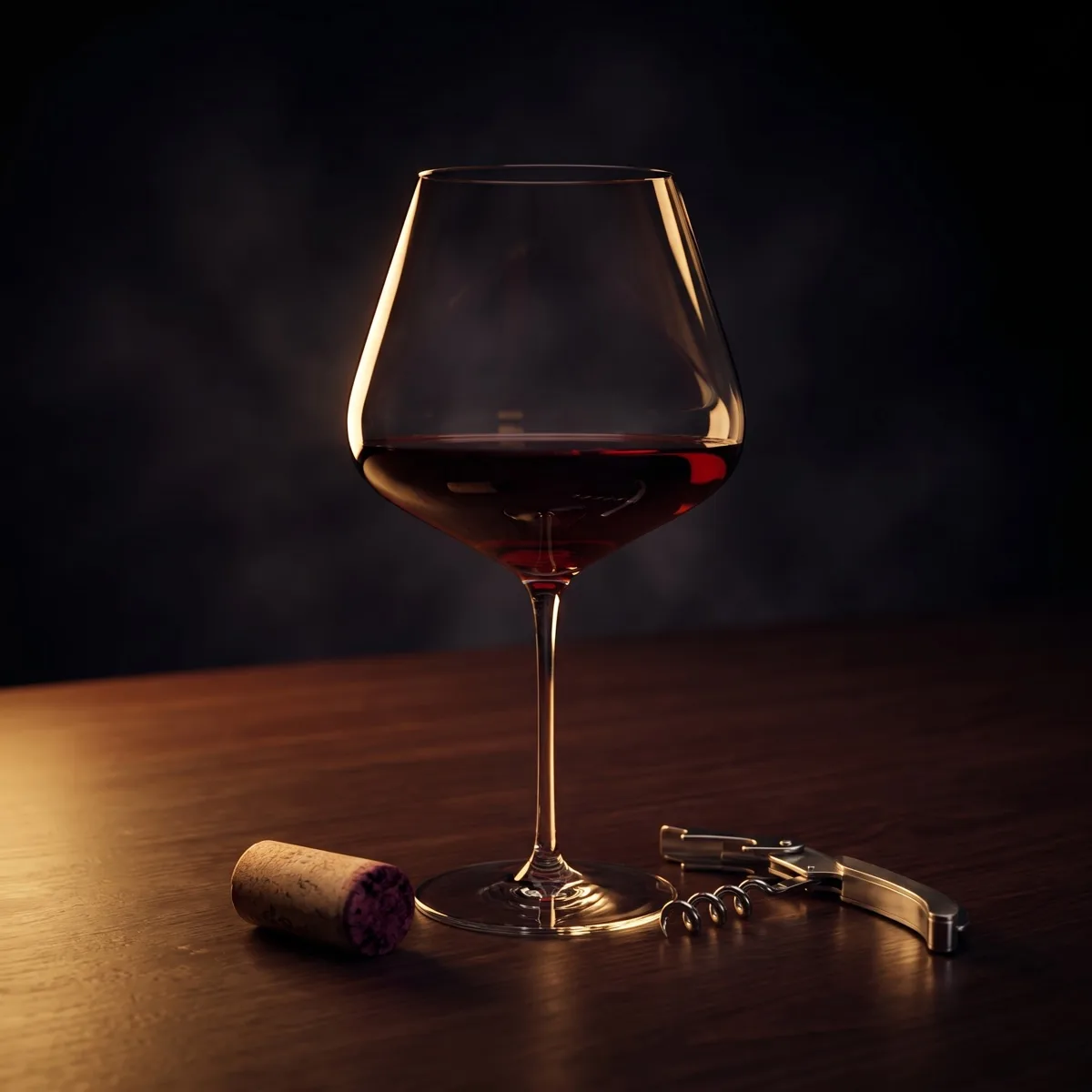
Cork taint is caused by TCA (2,4,6-trichloroanisole), a compound that can form in natural cork. Humans can smell it at incredibly low levels, a few parts per trillion.
Signs: a musty smell like wet cardboard, a damp basement or a wet dog. In milder cases, the wine just smells muted and flat, with little fruit, and you may not be sure it's faulty.
What to do: nothing will fix it. If you bought it recently, take it back to the shop. Restaurants should replace a corked bottle without argument.
It doesn't happen to me often, but when it does, it hurts. The worst was a bottle from China that I'd really wanted to try, and it was corked. In Sweden, at least, you can take a faulty bottle back to Systembolaget, the state wine shop, and get your money back.
An even bigger disappointment: I once bought three bottles of Louis Jadot Clos de Vougeot at auction, and all three were bad. They simply hadn't been stored well. It's a good reminder to ask about storage history before you bid, because no label can make up for a bottle that's been kept warm.
The rate of cork taint has dropped a lot since the 2000s as cork producers improved their methods, but it still happens. Wines under screw cap almost never have it, though TCA can occasionally come from a contaminated winery.
How do you know if a wine is oxidised?
Too much oxygen, from a faulty cork, poor storage or simply being open too long, flattens the wine.
Signs: whites turn deep gold or brown. Reds turn brick or brown. The smell is of bruised apple, nuts or sherry, and the fruit tastes flat.
Some wines are meant to taste like this, like sherry, tawny port and Madeira. In other wines, it's a fault.
How do you know if a wine has been heat-damaged?
Wine left in a hot car or a warm shop window can "cook".
Signs: stewed, jammy, prune-like fruit, sometimes a caramel note. The cork may be pushed up out of the neck, or there may be sticky residue around the capsule from wine seeping out.
What other faults are there?
| Fault | Smells like | Cause |
|---|---|---|
| Volatile acidity | Vinegar, nail polish remover | Acetic acid bacteria. A little can add lift, a lot is a fault. |
| Brettanomyces ("Brett") | Barnyard, sticking plaster, sweaty saddle | A wild yeast. Some people like a touch of it. |
| Reduction | Struck match, rotten egg, cabbage | Lack of oxygen during winemaking. Often blows off after decanting. |
| Light strike | Cooked cabbage, wet cardboard | Light exposure, mainly in clear and green bottles |
| Refermentation | Unexpected fizz in a still wine | Yeast restarted in the bottle |
Reduction is the one you can often fix. Decant the wine and give it 15 to 30 minutes. A clean copper coin dropped in a glass can also remove a sulphur smell quickly.
What looks wrong but is harmless?
- Tartrate crystals. Small clear or reddish crystals at the bottom of the bottle or on the cork. They form when wine gets cold. Harmless.
- Sediment. A dark deposit in older reds and vintage port. Harmless, just gritty. Decant to leave it behind.
- A small amount of mould on top of the cork under the capsule. Common in damp cellars. Wipe it off. If the wine smells clean, it's fine.
- Slight fizz in a young white. Some fresh whites, like Vinho Verde, are made with a little CO2 on purpose.
- Cloudiness in natural wine. Many natural and unfiltered wines are slightly hazy by design.
How do you know if a wine is past its peak?
A wine past its peak isn't faulty, just old. The fruit has faded, and what's left tastes thin, dry, or dominated by acidity or alcohol. Reds turn brown, whites deep gold. Sometimes it's still pleasant, just less than it was.
This is the most avoidable problem on the list. It happens to good bottles saved too long, often for an occasion that never comes. If you have several bottles of the same wine and one tastes tired, drink the rest soon.
How do you avoid opening bottles too late?
Track what you own and when it should be drunk. Smart Wine Cellar's wine list shows the drinking window for every bottle, clearly marking what's ready, what's still maturing and what's past its best, so nothing gets forgotten at the back of the rack.
Questions people also ask
Can you get sick from corked wine?
No. Cork taint is caused by a compound called TCA that ruins the smell and taste but is harmless at the tiny levels found in wine.
Can you send back a corked wine at a restaurant?
Yes. A corked bottle is faulty, and a good restaurant will replace it. You cannot send back a sound wine just because you do not like it.
What are the crystals at the bottom of my wine?
They are tartrate crystals, sometimes called wine diamonds. They form when wine gets cold, are completely harmless, and are a sign the wine was not heavily processed.

Wine List
Every bottle in one list you can sort, filter and manage
Your entire cellar in a single list, with every bottle's drinking window right there so you can see what's ready, what's maturing and what's past its best.